The Occupational Therapist Toolkit For Sensory Overload
Busy classrooms, crowded stores, loud sounds, and bright lights fill daily life with constant stimulation. For some children and adults, these situations become difficult to manage. Small changes in routine or environment may lead to frustration, stress, or withdrawal.
Professional guidance helps families build useful habits that support daily activities. Simple routines and occupational therapy in Dubai gives steady support for better comfort and confidence.
What is sensory overload?
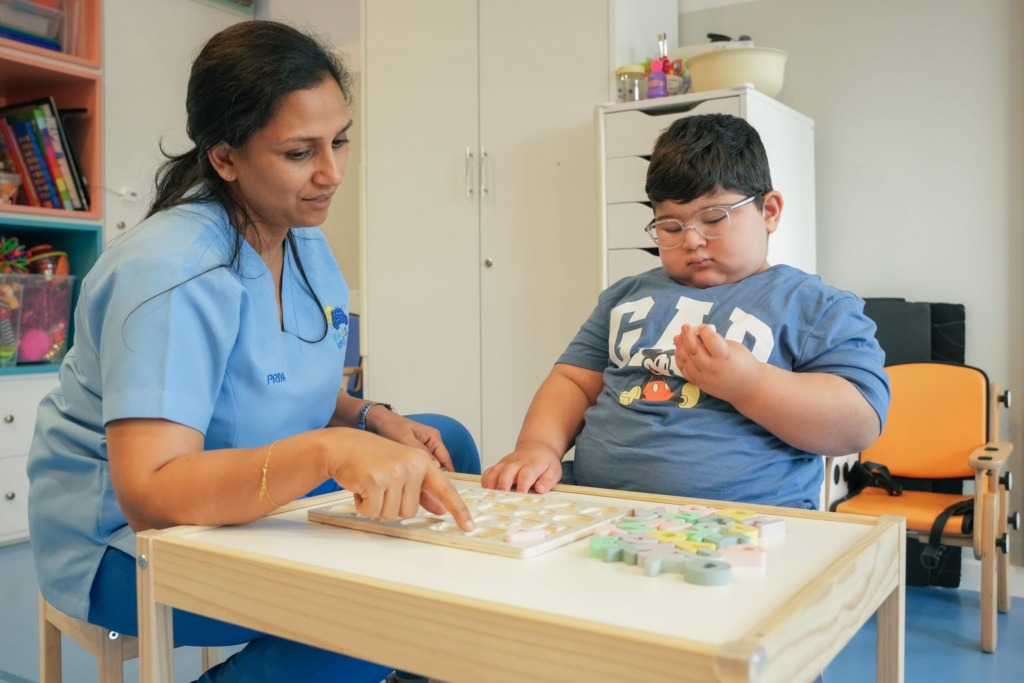
Sensory overload happens when the brain receives too much information from sights, sounds, smells, textures, or movement at the same time. A child may cover the ears, avoid bright places, or become upset without warning. Some people seek extra movement, while others avoid physical contact. An occupational therapist studies these responses and develops activities that match personal strengths.
Using calming sensory tools
Therapists introduce simple items that help lower stress during busy moments. Weighted blankets, soft cushions, fidget toys, noise reducing headphones, and textured objects support self-regulation. These tools fit easily into school, home, or travel routines. Regular use helps people respond with greater comfort during overwhelming situations.
Building helpful daily routines
A predictable schedule supports emotional balance. Therapists encourage regular meal times, movement breaks, quiet moments, and bedtime habits. Visual schedules also help children understand daily activities without confusion. Simple routines reduce unexpected surprises and support smoother transitions from one task to another.
Adding movement throughout the day
Physical activity gives the body healthy sensory input. Swinging, climbing, jumping, stretching, and simple obstacle courses improve body awareness and focus. Short movement sessions fit between learning or household tasks. These activities support better concentration and help release extra energy in a positive manner.
Making spaces easier to manage
Small changes at home or school improve comfort during busy days. Soft lighting, reduced background noise, organized furniture, and quiet corners lower unnecessary stimulation. Therapists also suggest comfortable clothing and suitable seating for longer activities. These adjustments support peaceful surroundings without major changes.
Working together with families
Parents, teachers, and therapists achieve better results by sharing observations and practical ideas. Consistent responses across home and school help children understand expectations. Encouragement, patience, and regular practice build confidence over time. With steady support and useful strategies, daily activities become calmer, happier, and easier to manage for the whole family.