The Complete Beginner’s Guide To Understanding CNC Machine Operation
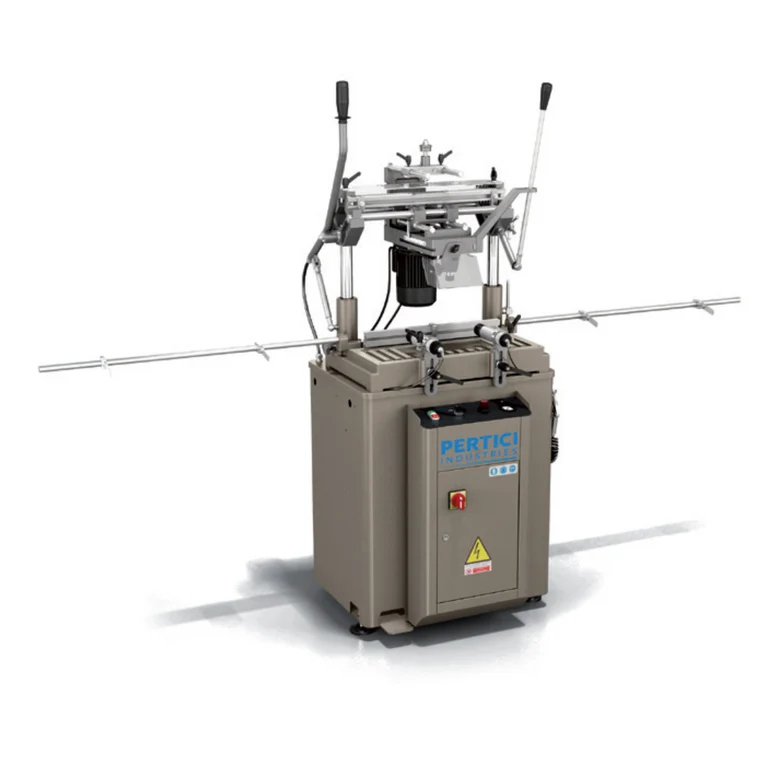
Starting with CNC operation can seem complex at first, but learning the basics makes the process easier and more enjoyable. These machines are used in workshops and industries to produce accurate parts with impressive consistency. A clear view of the main functions, tools, and steps helps beginners build confidence. Modern production relies heavily on CNC machines in UAE because they allow operators to achieve precise results with controlled movements.
What is CNC machine operation?
CNC stands for Computer Numerical Control, which means machines follow programmed instructions to complete cutting, drilling, shaping, or carving tasks. Instead of manual control, operators use software and coded commands to guide the machine.
The process starts with a digital design that is converted into instructions the machine can read. Operators need to learn basic terms such as axes, spindle speed, feed rate, and cutting tools. These details help them understand how the machine works and how different settings affect the final product.
Main parts of a CNC machine:
A CNC machine contains several important parts that work together. The controller acts as the brain of the system by reading the program and sending commands. The spindle holds and rotates cutting tools, while the worktable keeps the material in place during operation.
Motors control movement along different axes, allowing the cutting tool to reach specific areas of the material. Sensors and safety features also help maintain smooth operation and reduce errors.
Basic steps of CNC operation:
The first step involves creating or selecting a digital design. After that, the design is converted into a CNC program using special software. The operator checks the code, places the material correctly, and selects suitable tools for the task.
Before starting full production, a test run is usually performed. This allows the operator to check movements, tool positions, and program accuracy. Regular checks help prevent mistakes and improve machine performance.
Skills beginners should develop:
New operators should focus on learning machine controls, reading technical drawings, and understanding different materials. Patience and practice are important because each project offers new challenges. Safety knowledge is also essential when working around moving parts and sharp tools.
Hands on experience helps beginners become comfortable with settings and adjustments. Training with experienced operators can provide useful tips for handling daily tasks.