The SSO’s Role In Securing The Floating Asset
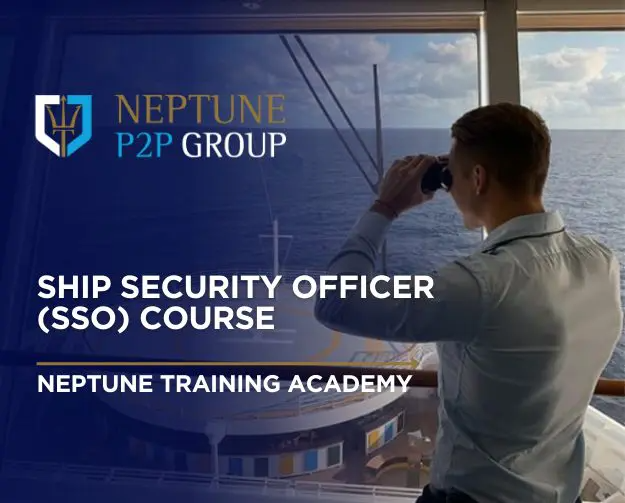
Strong security at sea protects people, equipment, and business operations from a wide range of risks. Ships operate across international waters, visit busy ports, and carry valuable cargo that attracts unwanted attention. A Ship Security Officer, commonly called an SSO, works to reduce these risks by creating a safe and secure working environment. Their knowledge gained through a ship security officer course, discipline, and quick response help keep daily operations running without unnecessary disruption.
The SSO’s responsibility:
A ship security officer oversees all security activities on board a vessel. This includes checking security equipment, supervising access control, and ensuring crew members follow approved procedures. The officer also keeps security records up to date and reports incidents to the company and relevant authorities when required. Daily inspections help identify weak points before they become serious problems. This proactive approach supports the safety of both the crew and the vessel.
Protecting people and valuable assets:
A floating asset carries expensive equipment, important documents, cargo, and crew members. Protecting these resources calls for constant awareness and strong leadership. The SSO monitors visitors, verifies identities, and controls entry into restricted areas. Suspicious activity receives immediate attention, reducing opportunities for theft, sabotage, or unauthorized access. These actions create confidence among crew members and support smooth operations during voyages.
Preparing the crew for security threats:
Security is a shared responsibility. Crew members must understand their duties during different situations, including security breaches or attempted intrusions. The SSO organizes drills, explains emergency procedures, and provides practical guidance for handling security concerns. Regular practice improves confidence and helps crew members react quickly during real incidents. Good communication also reduces confusion when quick decisions are needed.
Working with ports and authorities:
Ships interact with port facilities, customs officials, and security agencies across different countries. The SSO serves as the main contact for security matters during these operations. Clear communication allows inspections, documentation, and security checks to move forward without unnecessary delays. A professional relationship with authorities also supports compliance with international maritime security standards.
Keeping security procedures up to date:
Security risks change as new challenges appear across the maritime industry. An SSO reviews existing procedures, studies incident reports, and recommends practical improvements for the vessel. Regular updates to security plans help address emerging threats while supporting efficient ship operations. This ongoing process strengthens protection for the crew, cargo, and vessel throughout each voyage.